

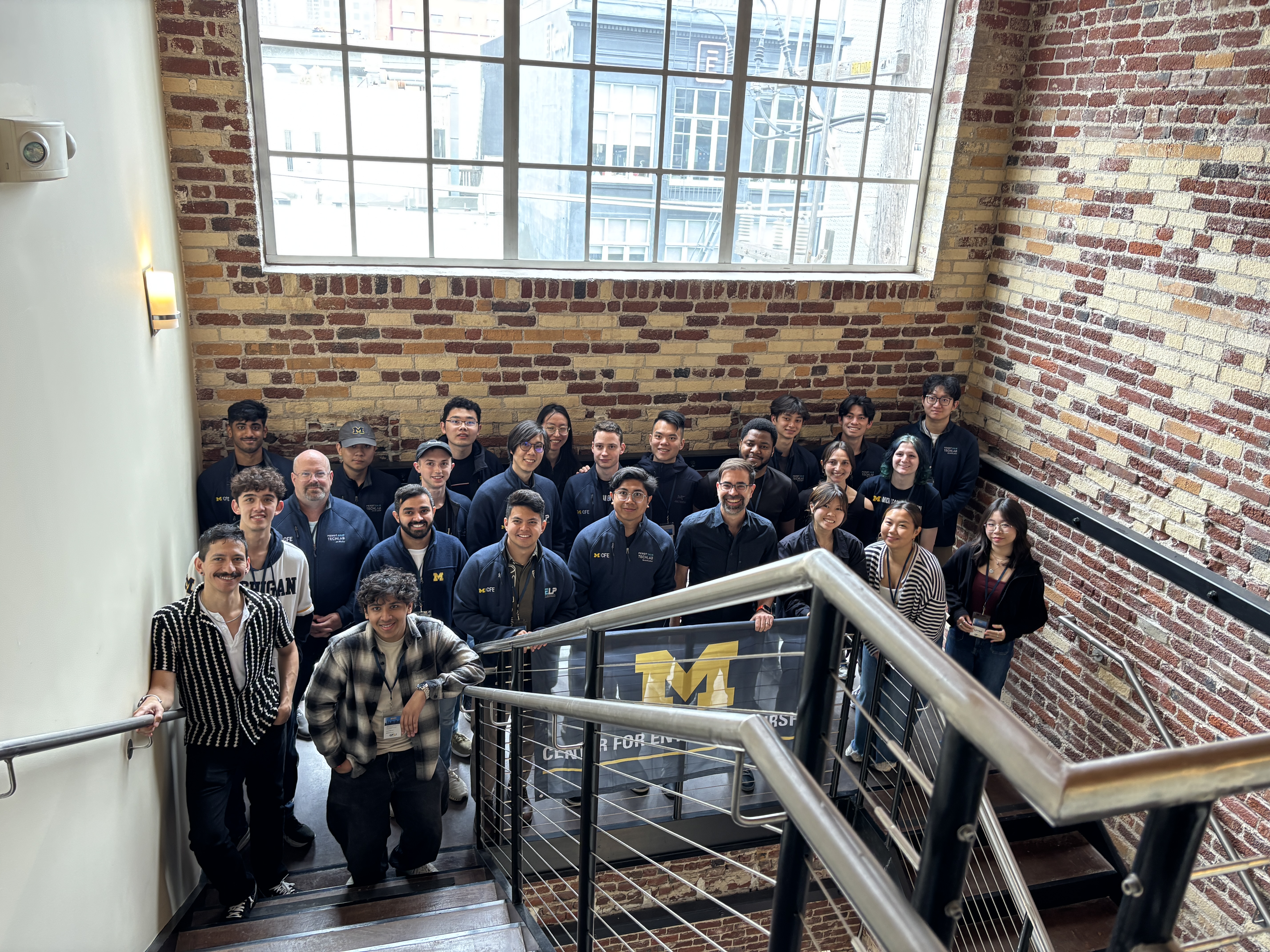
Contributed by Jessica Bae, Economics, 2028, ELP Cohort 11
Before the ELP Trek, I had never been to San Francisco. I had always been drawn to startups, but experiencing the San Francisco startup ecosystem gave me a much better understanding of why.
Startups are unpredictable. They are gritty. People are constantly solving problems, taking on responsibilities outside of their job descriptions, and figuring things out as they go. That uncertainty was actually one of the things I found most exciting about the trek.
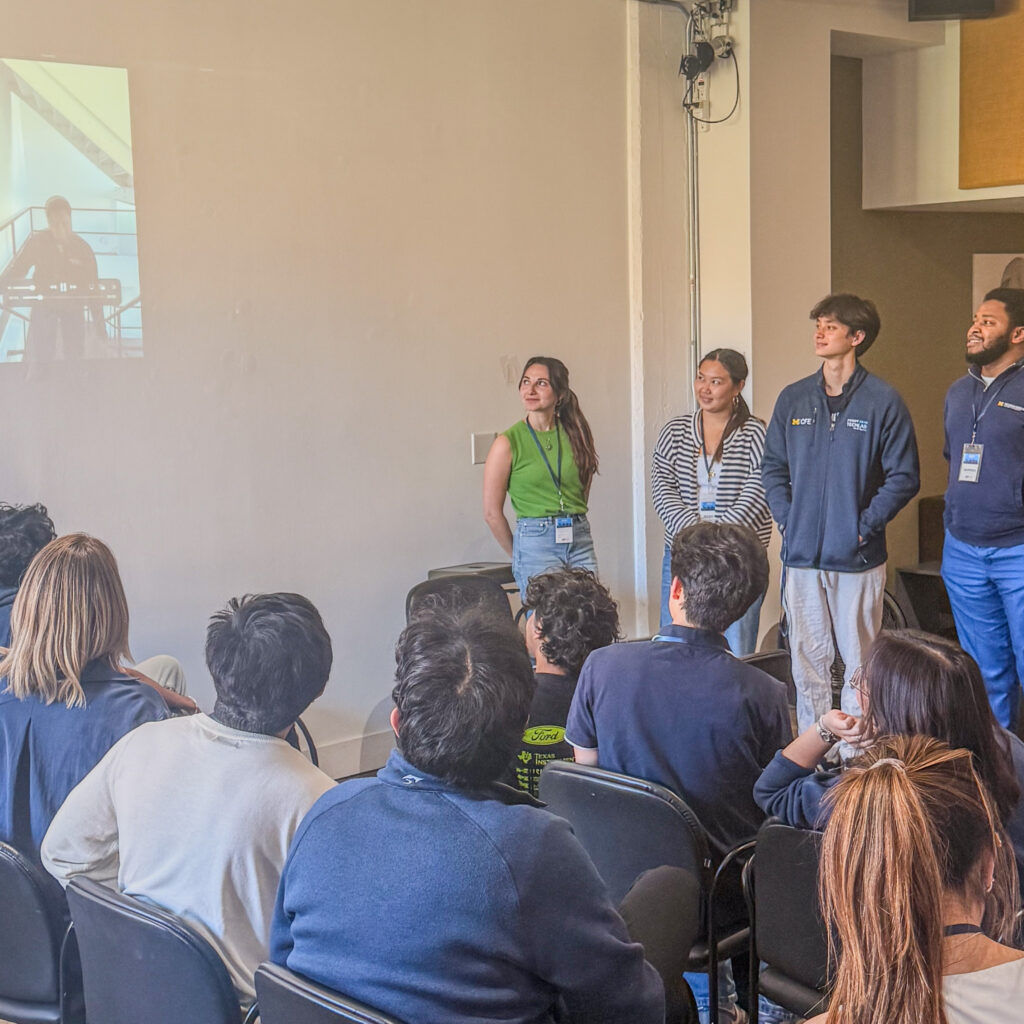
Throughout the trek, we visited companies working on completely different problems, including Mytra, which is developing automated hardware, Eat Just, a plant-based food company, and Lume Health, which is working on wearable health tracking. Despite how different these companies were, I started noticing common ideas in how the people behind them approached entrepreneurship.
Sometimes You Have to Break Things
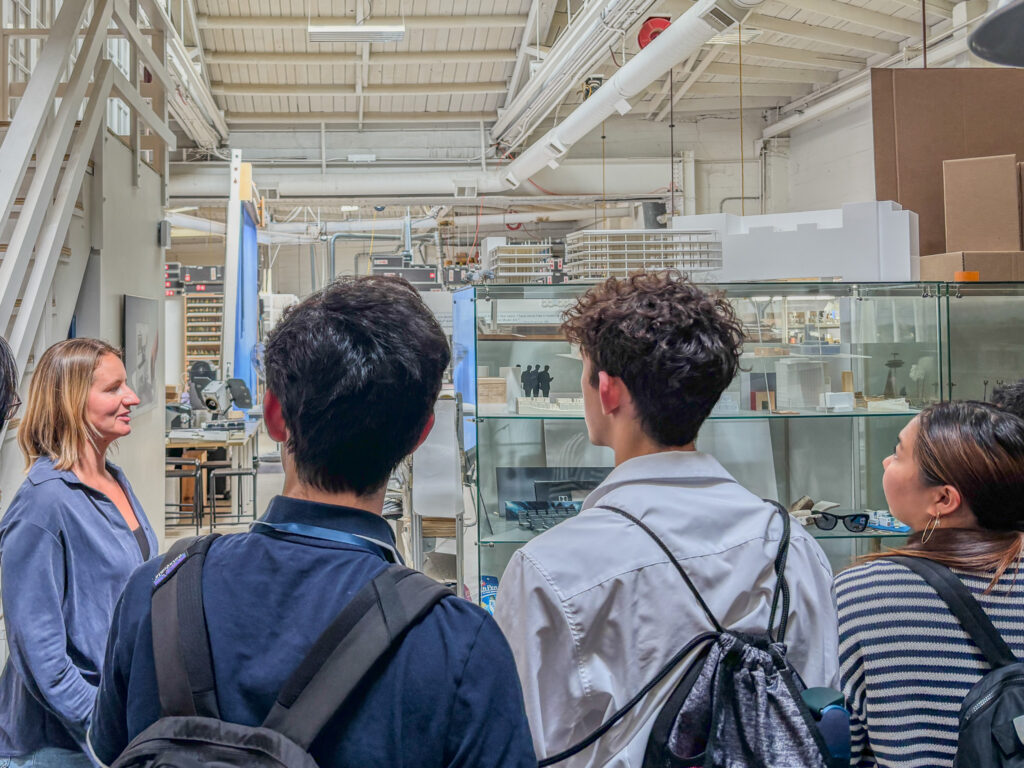
One of my favorite company visits was Mytra, a robotics startup building automated systems for moving and storing materials.
What stuck with me wasn’t simply seeing the technology; it was seeing what came before it. Mytra showed us several generations of its hardware, including versions that had failed or exposed problems the team needed to solve.
I think there is something really interesting about a company being willing to spend time and money discovering how its own product can fail. In most environments, failure is something you try to hide. At a startup like Mytra, failure can actually give you the information you need to build the next version.
That visit captured a lot of what attracts me to startups. You aren’t walking into a perfectly defined role with every answer already figured out. Entrepreneurs have to put themselves into different departments, understand problems outside of their expertise, and adapt when something doesn’t work.
Work on Problems That Matter
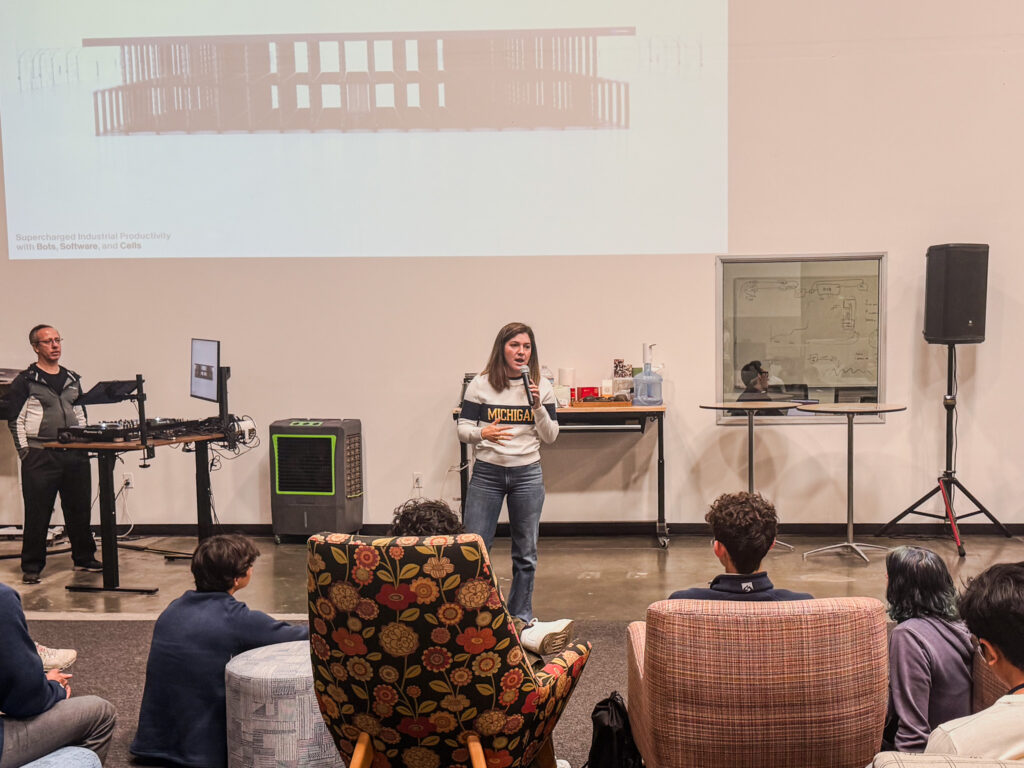
Our visit to Eat Just made me think about another side of entrepreneurship: why you choose to build something in the first place. Hearing founder Josh Tetrick talk about his mission made an impression on me. One of my biggest takeaways from him was that there will always be prestigious jobs and conventional paths available, but that doesn’t necessarily mean those are the paths that will give your work meaning.
There is something powerful about choosing a difficult problem because you genuinely care about its impact.
I saw a similar problem-first mentality at Lume Health. Lume is developing wearable technology that continuously monitors hormones via sweat. Rather than beginning with “What product can we sell?”, the entrepreneurs we met throughout the trek seemed much more focused on “What problem exists that we can uniquely solve?”
That’s a distinction I want to remember.
What Makes an Idea Investable?
My favorite conversation of the trek was with investor and patent attorney Jeff Schox.
One concept he taught us that has stuck with me was his FIT framework: Founder, Insight, and Timing.
The founder asks who is actually behind the idea. What is their background? What kind of person are they? Why are they the person capable of building this?
Insight was the most interesting part to me. Jeff challenged us to think about what someone knows or has experienced that allows them to see an opportunity others might completely overlook.
That left me with a question I’ve continued thinking about: Where do great insights actually come from?
I think part of the answer is that the best insights can be extremely specific. Your experiences give you knowledge about certain problems that someone with a completely different life might never encounter. Instead of immediately asking, “What startup should I build?”, it might be more useful to focus on problems I understand particularly well.
Finally, Timing asks: Why now? An idea can be interesting, but that doesn’t necessarily make today the right moment to build it. Changes in technology, culture, consumer behavior, and markets can determine whether an idea has an opportunity to succeed.
Jeff also discussed the herd mentality that can happen in venture capital, which I found fascinating. Investors are making their own decisions, but they’re also watching where everyone else is going. It made me think more critically about trends: What is everyone choosing to invest in right now, and why?
Leaving San Francisco
I went into the trek already thinking I would enjoy the startup world. I left San Francisco much more certain of it.
The trek was also one of my favorite experiences I’ve had since coming to Michigan. Experiencing San Francisco for the first time while getting closer to people in ELP and PJTL made it much more than a series of company visits.
I don’t know exactly where entrepreneurship will take me yet. But after seeing the grit behind some of these companies and learning from the entrepreneurs and investors behind them, I know I want to keep putting myself in environments like this.