

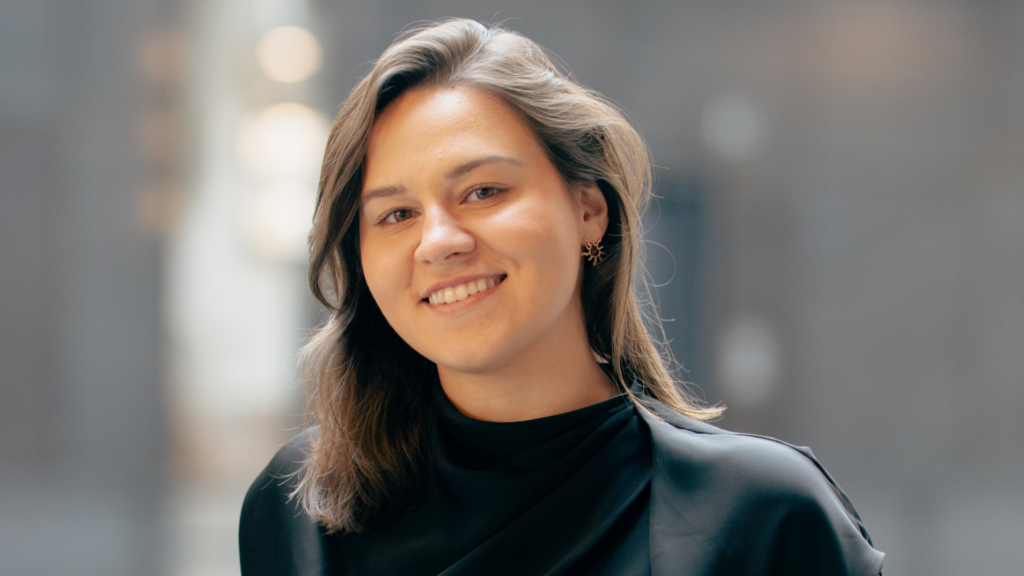
For Ana Timoficiuc, the journey from aerospace engineer to startup founder comes down to one word: determination.
As the eldest of 13 children in a Romanian immigrant family, Ana grew up watching rocket launches and dreaming of becoming the first woman on Mars. That ambition brought her to the University of Michigan to study aerospace engineering, then to opportunities at Aurora and SpaceX. At SpaceX, she worked on avionics harness integration and mission-critical engineering projects, including the integration of Starship 20.
Today, Ana is applying that same problem-solving mindset to a different mission. As founder and CEO of MinaRosa Technologies, she is developing technology to address an often-overlooked challenge: women’s pelvic and bladder pain.
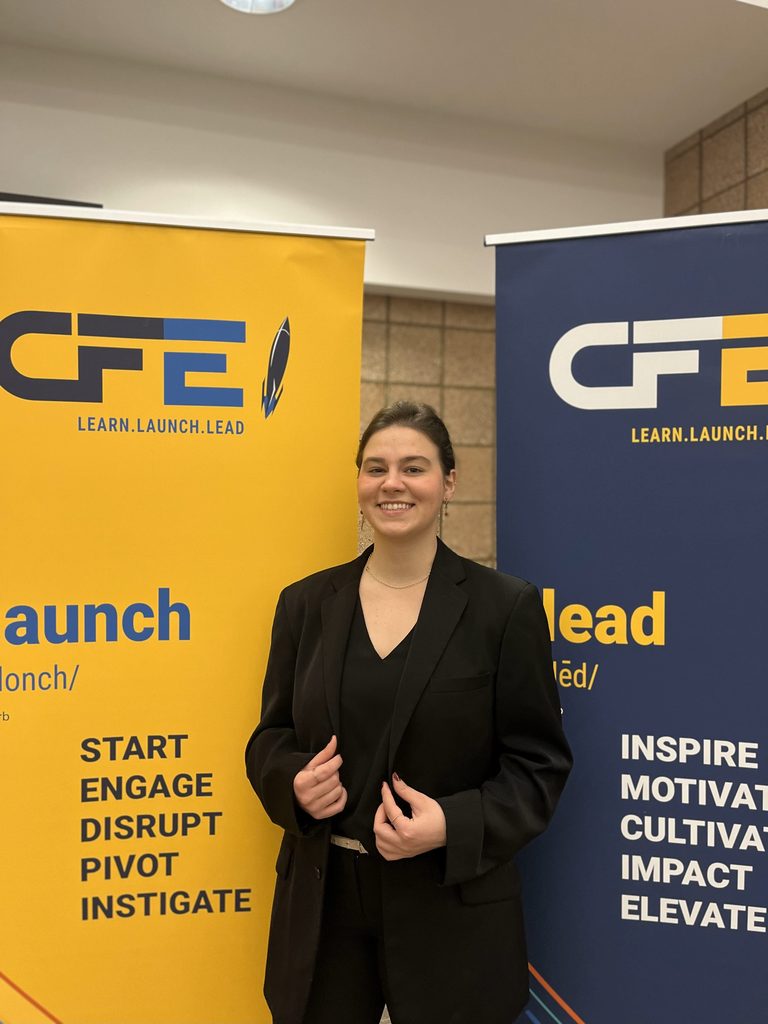
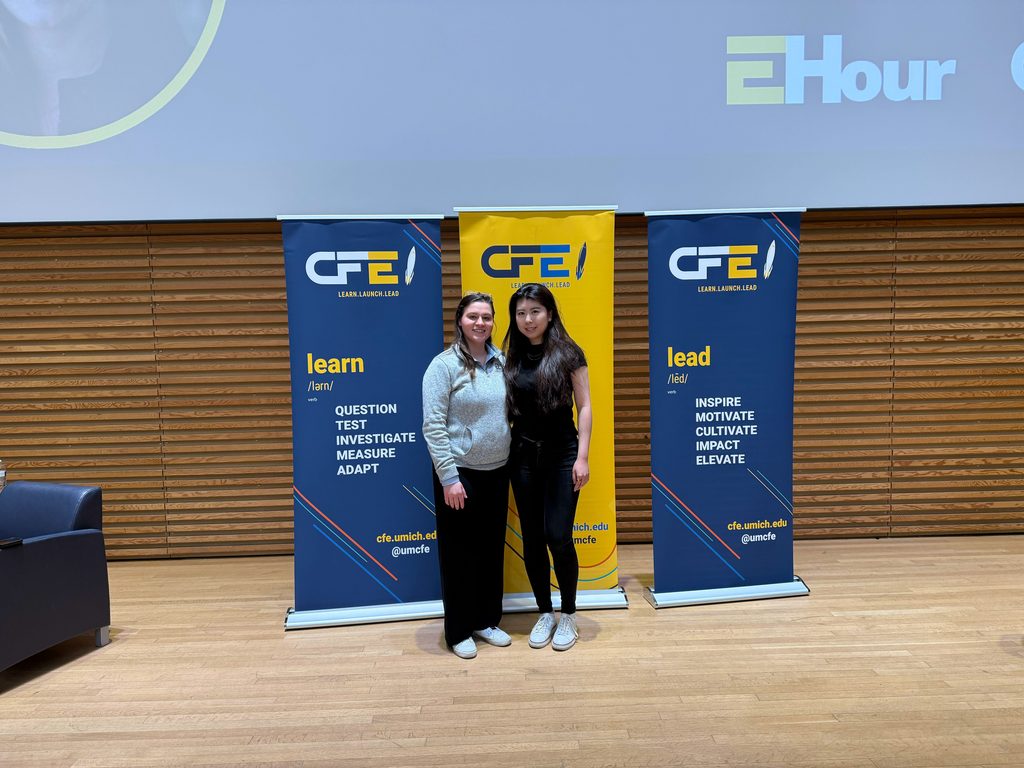
With the CFE celebrating 10 years of the Entrepreneurial Leadership Program (ELP), Ana’s story highlights how hands-on learning, mentorship, and a personal sense of purpose can help an idea become a venture.
A personal problem becomes a starting point
MinaRosa began with Ana’s own experience. Having struggled with recurrent urinary tract infections and related pain since childhood, she was frustrated with the options available to her.
While living in Los Angeles, she learned about red and infrared light therapy in athletic recovery and began exploring research into its potential applications for pelvic pain and women’s health. After finding personal relief from the technology, she saw an opportunity to improve the user experience.
Her goal was practical and personal: build a red-light product that women actually want to use.
What began as an effort to address her own discomfort evolved into MinaRosa Technologies, a women-led startup developing portable, non-invasive red- and infrared-light therapy solutions designed to help women manage pelvic and bladder pain.
Putting Entrepreneurship Into Practice
Ana hadn’t always seen herself as an entrepreneur. Even though her parents owned a trucking company, she didn’t recognize their work as entrepreneurship (or imagine that she might follow a similar path) until someone pointed it out.
When she returned to U-M, she wanted more than an introduction to business concepts. She wanted an immersive opportunity to understand entrepreneurship and try it for herself.
She joined ELP with the 2022 cohort, drawn to its combination of foundational learning and hands-on experience.
“This is exactly what I need!” she remembers thinking.
The program gave Ana a place to explore MinaRosa while developing the skills to move it forward. Looking back, she describes joining ELP as “one of my best decisions.”
It wasn’t just the curriculum that made ELP so special for Ana. The program also connected her with mentor Kristin Toth, who became her advisor, investor, and close friend.
“She saw the entrepreneur in me before I did. I wouldn’t be here today with her,” Ana says. “I was only able to meet her through ELP as my mentor.”
That connection became a lasting source of support as Ana grew into her identity as a founder and moved MinaRosa forward.
Learning to lead and build with intention
As the oldest of 13 siblings, Ana was no stranger to responsibility. But building a venture introduced a new kind of leadership: convincing others to believe in an idea, understanding what each teammate brings, and finding the best way to work together.
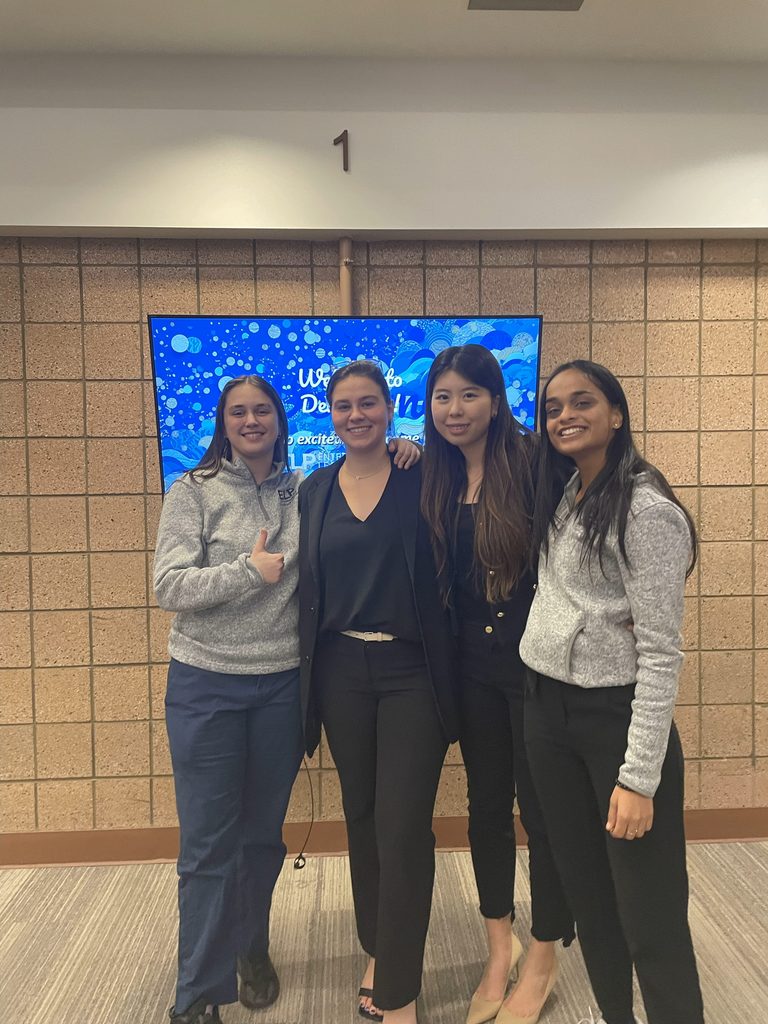
Through ELP’s collaborative projects, she practiced advocating for MinaRosa and bringing people into the work. Early cofounder, Lily (Jingjing) Li, helped push the company forward.
“She was a huge part of pushing the company forward from the beginning,” Ana says. “She was very honest with me, which I really valued.”
Instructor Dr. Scott Merz also helped shape her approach. Before jumping into marketing, he encouraged the team to speak with doctors and biologists and deepen their understanding of the problem.
“He taught me to be intentional about what we were working on,” Ana says.
That guidance continues to inform her approach to MinaRosa: pairing engineering rigor with attention to the people who will use the technology.
Choosing to be a founder
For a long time, Ana still considered MinaRosa a side project, even as the team entered competitions and formed an LLC.
The turning point came in fall 2024, when she left a role at a friend’s aerospace startup in LA and decided to devote herself fully to MinaRosa. Choosing the venture over a return to aerospace, including turning down a job offer in Los Angeles, made that commitment real.
“I’m an engineer, and I’m also a founder,” Ana says. “That is who I am.”
Her aerospace experience helped prepare her for the uncertainty. Engineering had taught her to work through undefined problems, weigh risks, and take initiative. Building a startup required those same skills, without the promise of having all the answers before moving forward.
Building momentum in women’s health
Since returning to Detroit in 2025, Ana has secured investment support, advanced product development, and launched community-driven educational initiatives, including The Wonder Woman Project, which connects women with researchers, physicians, and advocates.
Along the way, Ana continued building her entrepreneurial toolkit. She completed University of Michigan I-Corps in Winter 2026, followed by the Great Lakes I-Corps Hub’s I-Corps Boost in Summer 2026.
MinaRosa has progressed from early research alongside scientists at the University of Michigan Medical School to collaborations with clinicians and specialists affiliated with Michigan Medicine and Harvard. Ana’s journey has also been featured on InfluentialWomen.com.
For her, the work extends beyond developing a device. It includes opening conversations about recurrent UTIs, healthcare stigma, self-advocacy, and helping people feel less alone in navigating those experiences.
Ten years into ELP, Ana’s story reflects the possibilities of entrepreneurial education: taking the skills you already have, learning from others, and putting them to work on a problem that matters.
You don’t have to begin with the title of founder. Sometimes, you begin with a question and the determination to keep going.