

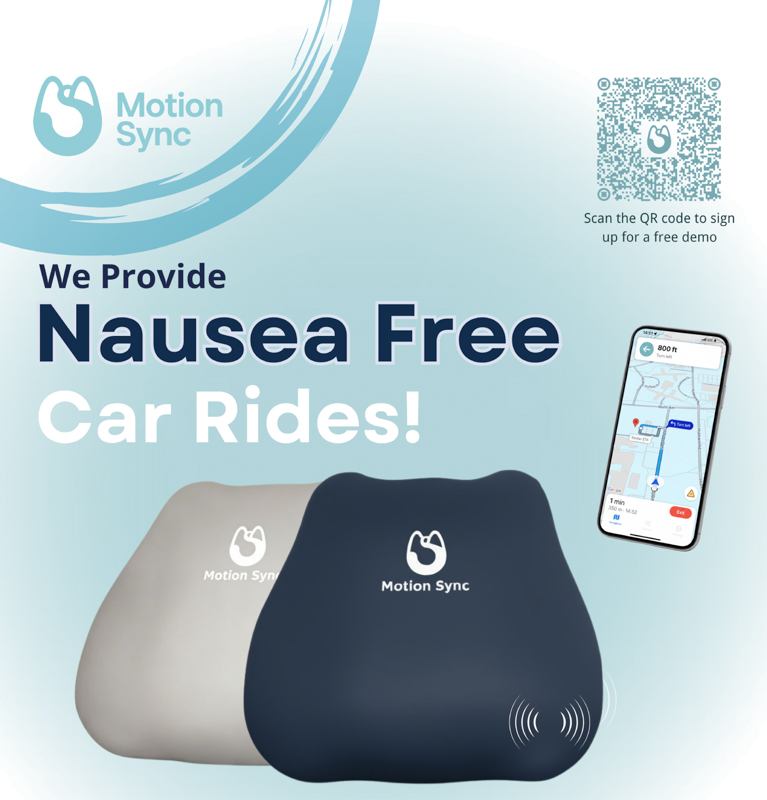
Motion sickness affects millions of riders each year, and a new U-M–born startup is working to change that.
Motion Sync, co-founded by Shorya Awtar, U-M professor of Mechanical Engineering, and Daniel Sousa Schulman, recent PhD graduate in Mechanical Engineering, is the first team to receive funding from Fuel Consumer IT. Their breakthrough technology, PREACT, predicts vehicle movements in advance and delivers intuitive vibrations that gently guide the body — signaling turns, braking, and acceleration before they happen. By enhancing riders’ physical awareness of motion, PREACT significantly reduces motion sickness and creates a more comfortable travel experience. After years of testing, 80% of users report improvement.
Motion Sync first secured success with a vehicle OEM before expanding into the consumer market. The Fuel Judges were excited to support the team’s move into direct-to-consumer aftermarket products.
Since receiving the Fuel Consumer IT funding in December 2025, the team has moved quickly:
- Finalized supplier agreements
- Secured all materials needed to manufacture and ship the first 100 units
- Assembled 40 aftermarket units to date
- Completed software development
- Built a beta waitlist of 50+ prospective customers
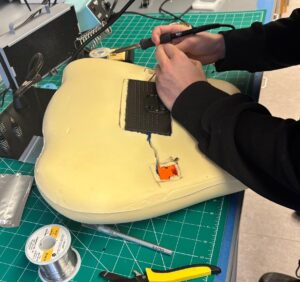
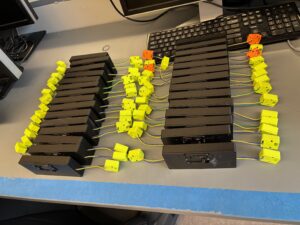
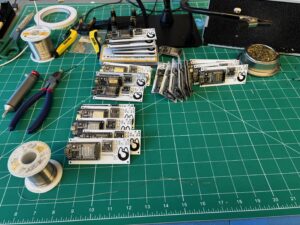
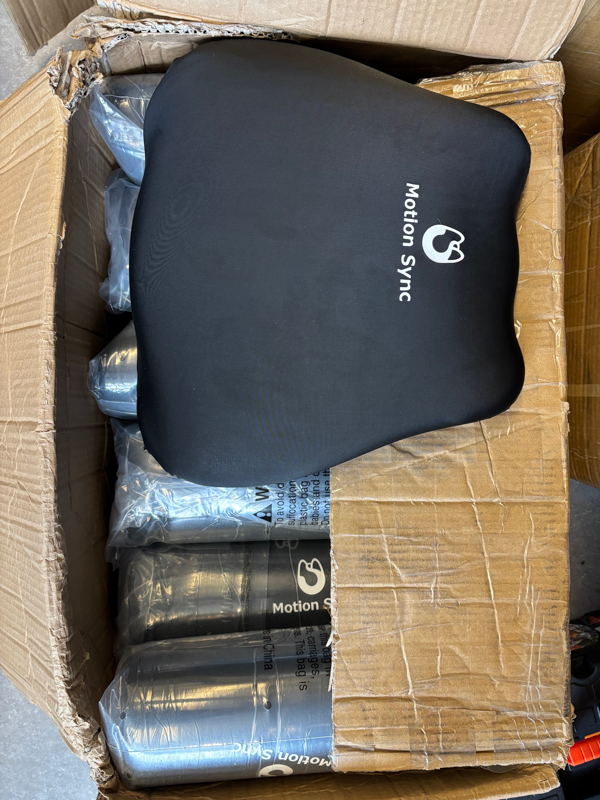
Production is actively underway, with user guides in printing, remaining units in manufacturing, and the Motion Sync mobile app preparing for App Store deployment. A marketing campaign is also in motion to grow the beta list ahead of the official launch.
Motion Sync has continued to build momentum. The team has engaged a fractional marketing firm for launch support, opened a pre-seed fundraising round and secured its first term sheet, filed three additional provisional patent applications, executed an Option Agreement with the University, advanced two joint patent applications with an OEM partner, and expanded engagement with both existing and newly approved OEM partners.
With strong early traction and rapid execution, Motion Sync is demonstrating the power of Fuel Consumer IT support to accelerate promising technologies from lab to market, and is just getting started.