

Contributed by Santosh Desai, PJTL HealthTech 2026 Cohort, Master’s in Data Science, and Sruthi Pereddy, ELP 2026 Cohort, Computer Science Major
The NEXT CFE Trek to Washington, D.C. packed a surprising amount into just a few days: company visits, alumni conversations, team challenges, good food, quick walks through the city, and more than a few moments where we had to stop and say, “Wait, this is what entrepreneurship can look like?” The trip gave us a close look at ventures across aerospace, housing, public infrastructure, and food tech. Each company had a different rhythm, and that variety made the trek exciting. We were not just hearing about startups. We were stepping into the messy, practical, creative process of building them.
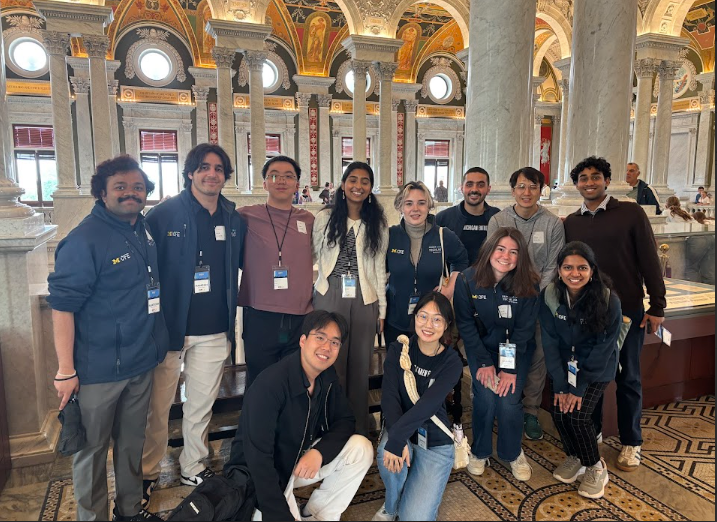
D.C. turned out to be a great setting for the trek. The city had this constant mix of history, policy, culture, and ambition that showed up everywhere we went. It was a genuine pleasure to meet some of the war veterans on the way. We were visiting startups during the day, walking through museums and neighborhoods in between, and having conversations with alumni who had taken very different paths through entrepreneurship, investing, and industry. The result was a trip that felt both packed and surprisingly personal.
Quindar set the tone early. We split into five groups to tackle the challenge of determining the company’s next big market, which quickly turned the visit into something more active than a standard presentation. Each group had to think through where Quindar’s existing strengths might create the most value, which customers would care about, and which markets seemed exciting without being unrealistic. The challenge had winners, which made it fun, but the best part was seeing how differently each group approached the same question. Some teams leaned into technical fit, others into market size, and others into where the company might have the clearest path to adoption.
DwellWell gave us one of the most practical frameworks of the trip. The CEO walked us through ten markers of a startup, and that conversation landed well because it made the early-stage process feel much more concrete. Students often hear broad phrases like “good idea,” “strong moat,” or “market opportunity,” but this visit helped break those ideas down into something we could actually use. What problem are you solving? Who is the customer? Why now? What makes the solution defensible? Where does intellectual property matter, and where does execution matter more? The discussion helped us think more deliberately about ideation. It also showed how quickly a promising idea can become fragile if the founder has not thought carefully about the customer, the market, and the path to growth.
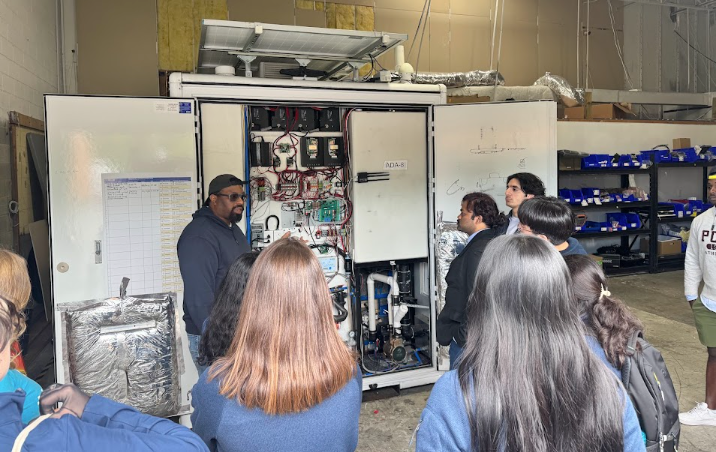
The company we kept talking about afterward was Throne Labs. There was something immediately memorable about it. The product was physical, public-facing, and connected to a need that everyone understands but few people discuss seriously. That made the visit both fun and unexpectedly thoughtful. During the session, we worked on a challenge about what Throne Labs’ next big feature should be. It sounds simple at first, but the discussion became surprisingly layered. A feature has to serve users, make sense for the business, remain technically feasible, and avoid making the product too complicated to maintain. Everyone had opinions, and that made the room energetic. Throne Labs also gave us one of the most useful lessons in bootstrapping. The team showed how to use custom off-the-shelf solutions creatively when building a company. That was refreshing, because startup stories often make it sound as though founders need to invent every component from scratch. Throne Labs demonstrated a more practical approach to entrepreneurship. Sometimes the clever move is to take what already exists, customize it, and make it work in a setting where no one else has solved the problem well. It made building a company seem less mystical and more grounded in resourcefulness, good judgment, and a willingness to keep solving unglamorous problems until the product works.
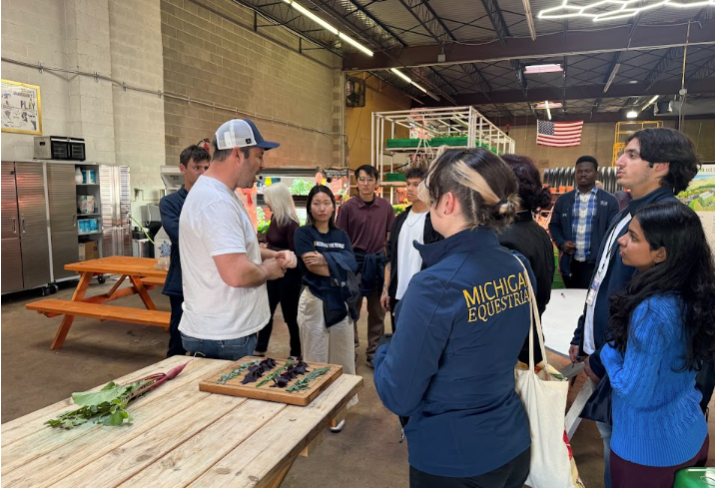
Area 2 Farms was another major surprise. The demo was outstanding, and it changed how many of us thought about farm technology. Going in, some of us had only a vague sense of what urban farming or alternative food production might look like. Seeing their work up close made it much more real. We learned about non-hydroponic food production without traditional farmland, which was genuinely eye-opening. It pushed us to think differently about space, sustainability, food access, and the future of agriculture. Farming is not always the first thing people picture when they think about startups, but Area 2 Farms made it clear that there is plenty of room for serious innovation in food production.
Union Kitchen took that food conversation in another direction. Their visit gave us a detailed look at food tech and what it actually takes to launch a packaged food/beverage product. From the outside, a beverage or fast food concept can look straightforward. If the product tastes good and the branding is strong, it should work. Union Kitchen made it clear that the reality is much more complicated. Founders have to think about sourcing, production, packaging, shelf life, retail relationships, pricing, customer education, margins, and distribution. The details around ethnic food were especially interesting because so much of that space depends on cultural knowledge as well as operational skill. A product might be authentic, exciting, and meaningful, but it still has to survive the realities of scale. There is so much to learn in areas such as ethnic food, beverages, fast-casual concepts, alternative food production, and consumer packaged goods. Even though the venture model in food may look different from that in software investing, as Elena from First Rub put it, the core value of “customer obsession” is foundational to any great company.
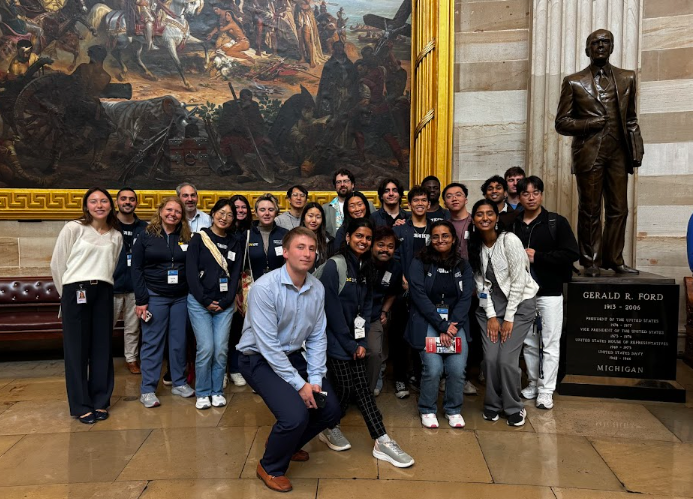
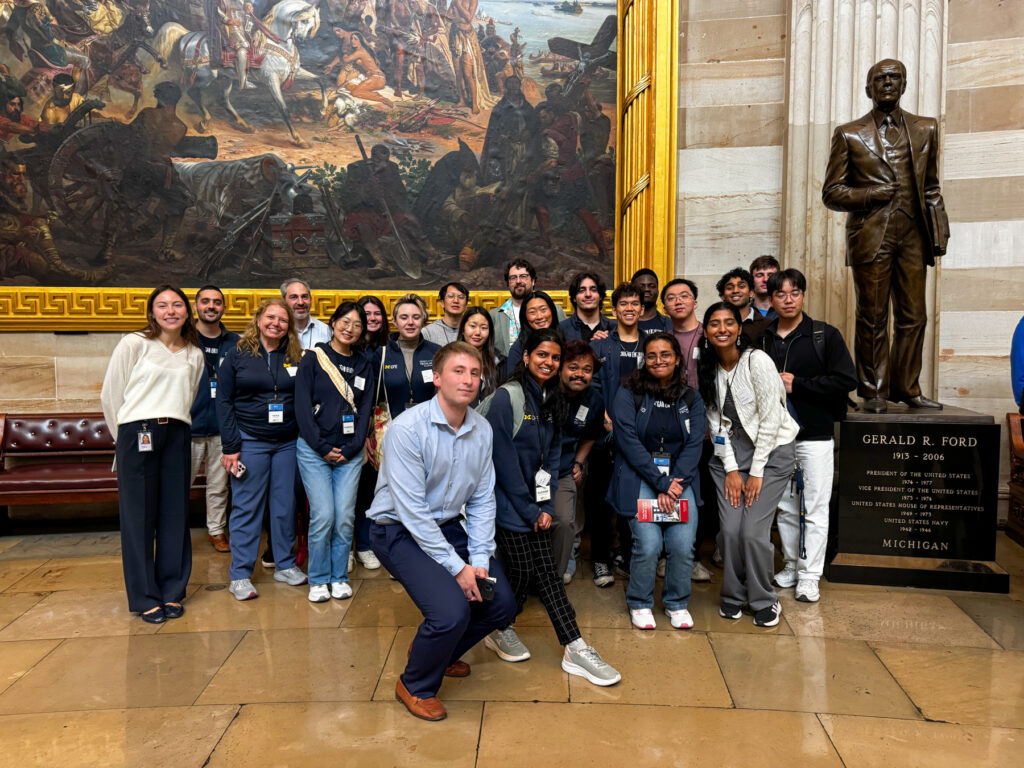
The US Capitol Building visit gave the trek a very different kind of experience. It educated us about U.S. history and governance, and it helped us better understand the city and the entrepreneurship scene around us. After spending time with startups, stepping into the Capitol reminded us that innovation exists within a larger civic setting. It gave us a moment to connect the entrepreneurial side of D.C. with the city’s political and institutional history.
The visit to the Steven F. Udvar-Hazy Center was another highlight. Many of us ended up enjoying it separately, wandering toward the exhibits that caught our attention, but that actually made it better. The air and space exhibits fit naturally with the rest of the trek, especially after Quindar. Seeing aviation and space history up close gave us a broader sense of how long technological progress can take, and how much imagination sits behind it. It was exciting to move from current ventures to the history of flight and exploration, then back into conversations about what students might build next.
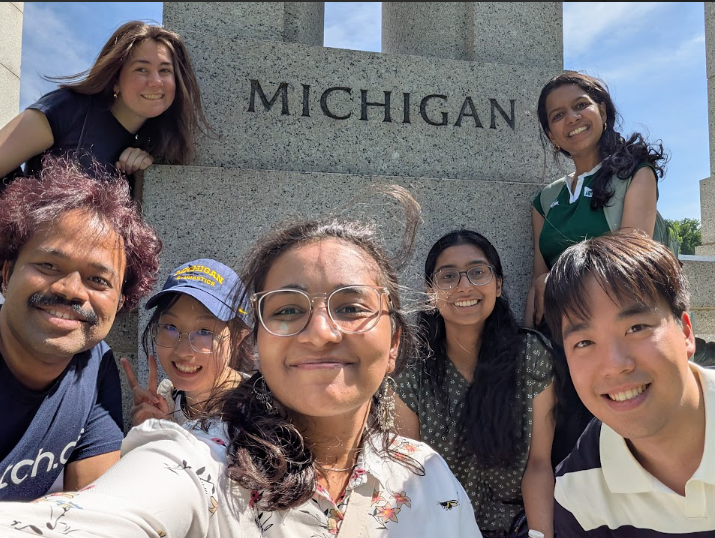
Some of the best parts of the trip happened outside the formal schedule. Roaming around D.C., finding food, walking through neighborhoods, and talking between visits gave us time to process everything. Those in-between moments mattered. They made the trip feel less like a sequence of stops and more like a shared experience. A lot of the best conversations happened while we were walking, waiting, or comparing notes after a company visit.
The alumni interactions were a major highlight as well. The alumni and venture sponsors we met were generous with their time, wisdom, stories, and advice. Meeting venture sponsors like Jack Miner was a pleasure, and those conversations helped us see how many different paths can lead to entrepreneurship. Dinner with Randy Brouckman from EdgeConneX was especially memorable. His enthusiasm was infectious, and the conversation brought a lot of energy to the evening. It is hard to leave a dinner like that without feeling more ambitious about what is possible. The alumni coffee chats and reception showed us how expansive our Michigan education could be, as many alumni had taken various opportunities and gained different experiences before they got to where they are today. It cemented in us that entrepreneurship is a set of skills and a spirit we can take with us, whichever direction we go.
The biggest takeaway was that entrepreneurship looks different everywhere. Sometimes it is technical. Sometimes it is operational. Sometimes it is cultural, physical, scrappy, or surprisingly local. The D.C. trek made that variety visible. It showed us that building something new is rarely as clean or predictable as it looks from the outside, and that is what made the experience so valuable. We came back with more questions, more ideas, and a stronger sense that there is no one way to do entrepreneurship “right”.